
What is the best yarn for beginners? Most beginners blame themselves when stitches go wrong. The real problem? Yarn choice. This guide fixes that in under 5 minutes of reading. Wrong yarn sabotages first projects. This breakdown shows exactly which weights, fibers, and textures turn beginner chaos into stitches you’ll actually be proud to show off.
Choosing the wrong yarn for your first crochet project is like trying to learn piano on broken keys.
You blame yourself when stitches twist, when the hook snags, when you can’t see what you just made. But here’s the truth most craft stores won’t tell you. The fiber content, yarn weight, and texture determine whether you’ll finish that scarf or stuff it in a drawer after twenty frustrated minutes.
Natural fibers sound fancy. Acrylic yarn gets dismissed as cheap. Worsted weight becomes jargon you skip over. Meanwhile, you’re standing in the yarn aisle overwhelmed by a wall of colors and labels that might as well be written in code.
This guide cuts through that noise and shows you exactly which yarn types, weights, and fibers turn your first crochet project from a tangled mess into something you’ll actually want to use.
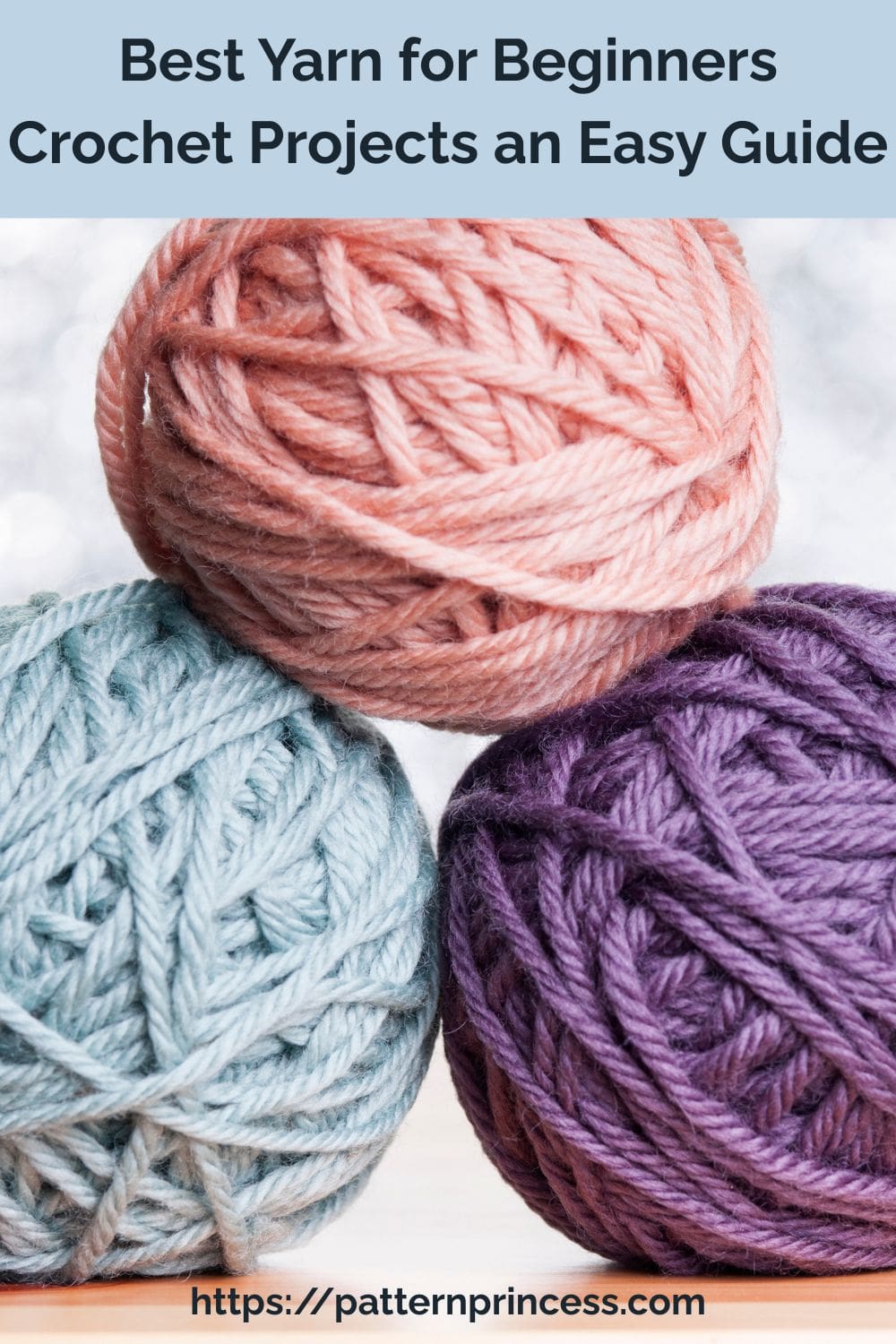
Start Your Crochet Journey Off Right
Starting your crochet journey is exciting—but walking into the yarn aisle for the first time? That can feel overwhelming fast. There are shelves of different types of yarn, endless different colors, and labels full of information you may not understand yet.
Here’s the good news: choosing the right yarn doesn’t have to be complicated. Once you know what to look for, you’ll be able to confidently pick the best yarn for your first crochet project—and actually enjoy learning this new skill.
Why Yarn Choice Matters for Beginners
The type of yarn you choose can make or break your experience as a beginner.
- The wrong yarn can split, tangle, or hide your stitches
- The right yarn helps you clearly see each loop and build confidence
- A smooth yarn with excellent stitch definition makes learning faster and less frustrating
The most important thing? Start simple. You don’t need fancy fibers or expensive skeins—just a beginner-friendly yarn that works with you, not against you.
Understanding Yarn Weight (Keep It Simple!)
Most beginner crocheters skip the yarn label and choose based on color alone, then wonder why their stitches look nothing like the tutorial.
Yarn weight determines how thick the strand is, which controls stitch size, project speed, and how forgiving your mistakes will be. The Craft Yarn Council standardized seven categories, but beginners only need to know three. Medium-weight yarn, also called worsted weight yarn, sits right in the middle at category 4. It’s thick enough to see your stitches clearly but thin enough to correct errors without ripping out half your work. Bulky yarns at category 5 work up fast and hide uneven tension, perfect for quick confidence boosters like chunky blankets. Super bulky at category 6 creates dramatic projects in hours, though the thickness can feel awkward in smaller hands.
Yarn weight refers to how thick or thin the yarn is—not how much it weighs.
The Craft Yarn Council categorizes yarn into standard sizes, and this helps you match yarn with the correct crochet hook size.
🧶 Ultra-Simple Mini Chart: Best Yarn for Beginners
If you’re in a hurry, use this quick chart to grab the right yarn at the store.
| Must-Have | Best Choice |
| Yarn Weight | Worsted-weight (#4) |
| Fiber Type | Acrylic or cotton |
| Texture | Smooth |
| Color | Solid |
| Hook | 5.0 mm (H-8) |
| Amount | 1–2 skeins |
Best Yarn Weights for Crochet Beginners
- Medium weight / worsted-weight yarn (Category 4)
✔ The best choice for most crochet beginners
✔ Easy to handle
✔ Great for seeing stitches clearly - Bulky yarns (Category 5)
✔ Slightly thicker yarns
✔ Work up quickly
✔ Great for scarves and simple crochet projects
Yarn Weights to Avoid (For Now)
- Thin yarn (lace or fingering)
✖ Hard to see stitches
✖ Easy to lose your place - Super textured or inconsistent novelty yarns
✖ Difficult to work with
✖ Poor stitch visibility
The yarn label tells you the weight category with a number inside a yarn ball icon. Match that to your pattern, or default to worsted weight for practice swatches and first projects. Thicker yarns mean faster visible progress, which matters more than you think when you’re still building the muscle memory. If you can’t see what you made after twenty minutes of work, you’ll quit. Pick yarn weight that shows results.
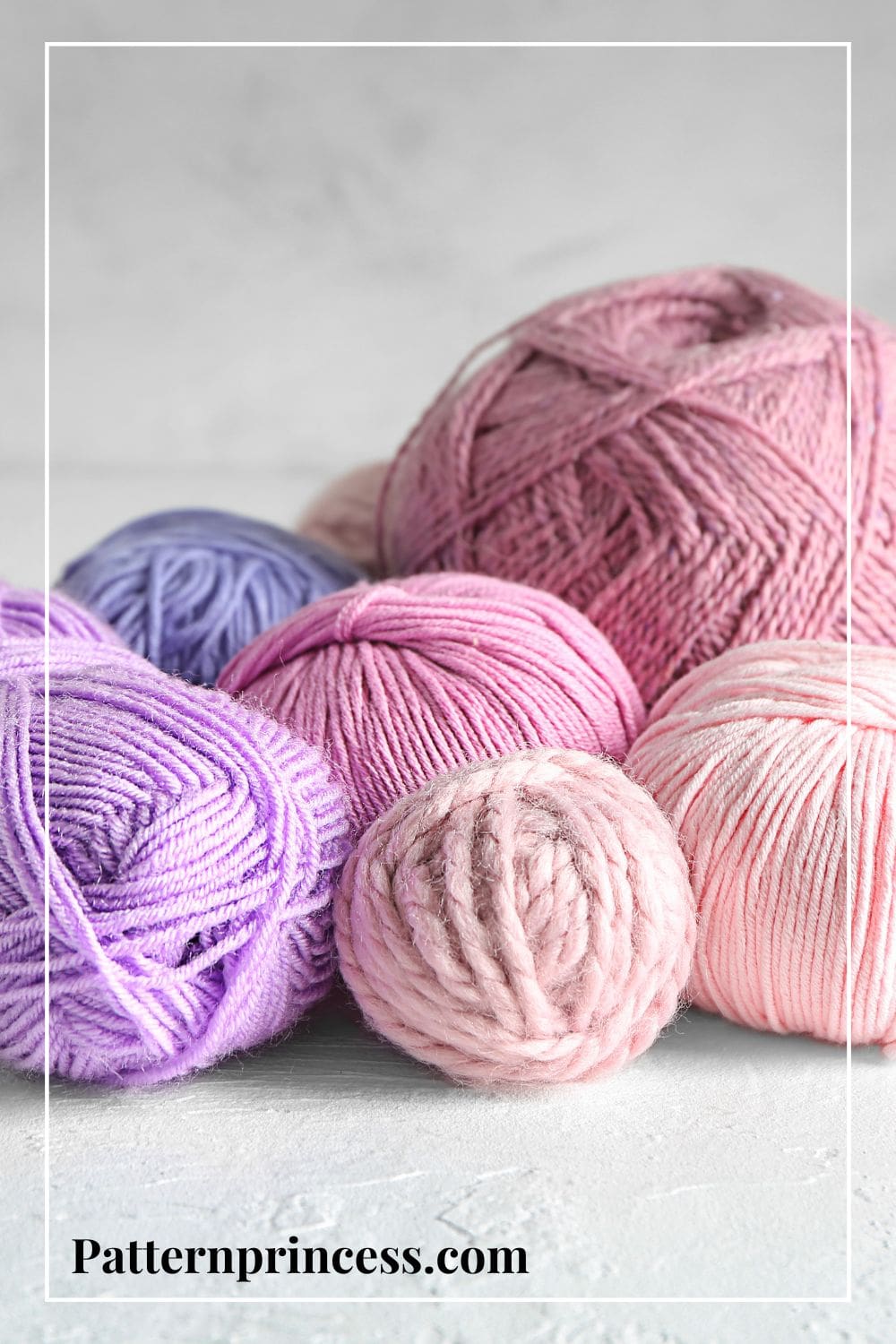
Best Fiber Types for Beginners
The fiber content (what the yarn is made of) plays a big role in how your project feels and behaves.
1. Acrylic Yarn (Top Pick)
Acrylic: Indestructible, affordable, easy care, consistent quality. Best choice for anything you’ll practice on or wash frequently.
- Made from synthetic fibers
- Affordable and widely available in craft stores
- Comes in a wide range of colors
- Very easy care (machine washable)
Acrylic Yarn Is the Smart Beginner Choice
The crochet community loves to romanticize wool yarn and natural fibers, but that advice sets beginners up for expensive failure.
Acrylic yarn wins for new crocheters because it forgives everything. Synthetic fibers bounce back when you pull out stitches for the fifth time. They wash in regular machines without shrinking or felting. They cost a fraction of wool or cotton yarn, so you’re not crying over seven dollars of ruined merino when your gauge goes sideways. Red Heart Super Saver gets mocked by yarn snobs, but it’s actually perfect for learning: consistent thickness, wide range of colors, smooth texture that doesn’t split, and cheap enough to buy five skeins for experimentation.
2. Cotton Yarn
- Made from natural fibers
- Has a smooth texture and strong structure
- Offers excellent stitch definition
An excellent choice for dishcloths, bags, and summer crochet projects
Cotton yarn: No stretch means excellent stitch definition but also means mistakes show clearly. Great for dishcloths and summer garments once you’ve got basic techniques down. Heavier than acrylic when wet.
3. Wool Yarn
- Made from natural wool fibers
- Soft, warm, and slightly stretchy
- Great for scarves, hats, and baby blankets
A good choice, but may require more care when washing
Wool fibers: Elastic and warm but requires hand washing, costs more, and some types feel scratchy. Wait until you’ve completed three projects successfully before investing in nice wool.
Blends: Acrylic-wool or cotton-acrylic mixes try to split the difference. They work fine but don’t improve the learning experience enough to justify the price jump.
The fiber type appears on every yarn label under fiber content. For your first five projects, stick with 100% acrylic from a major brand. Once you understand tension, gauge, and basic stitches, then experiment with natural fibers and different textures. Acrylic’s forgiving nature means you focus on learning the skill instead of babying expensive materials.
Texture and Color Matter More Than You Think
You can have the right yarn weight and perfect fiber content and still pick yarn that makes learning harder than it needs to be.
Smooth yarn is non-negotiable for beginners. Your hook needs to slide through loops without catching. Your eyes need to see each stitch clearly. Textured yarn with slubs, thick-and-thin sections, or fuzzy halos hides your stitch structure. You won’t know if you skipped a stitch or added one until you’ve worked three more rows. Smooth texture means immediate visual feedback, which is how you actually learn instead of just repeating mistakes in different colors.
The color choice affects your learning speed more than it affects the finished project. Dark colors like navy, black, or deep purple make it nearly impossible to see individual stitches under normal lighting. You’ll squint, you’ll miscount, you’ll get headaches. Variegated yarn that shifts colors looks exciting in the skein but creates visual chaos when you’re trying to identify where one stitch ends and another begins.

Best Yarn Features for Beginner Crocheters
When choosing the best beginner yarns, look for:
✔ Smooth yarn (not fuzzy or textured)
✔ Solid colors (so you can see stitches clearly)
✔ Medium-weight yarn (easy to control)
✔ Good stitch definition
✔ Affordable and easy to replace if you run out
These qualities make it easier to learn patterns and build confidence in your crochet journey.
Pick light or medium solid colors for learning:
- Cream, light gray, soft blue, or pastels show every stitch clearly
- Solid colors eliminate the distraction of color changes
- Save the deep jewel tones and wild variegated skeins for after you can crochet without looking at every single loop
This isn’t about making boring projects. This is about removing unnecessary obstacles between you and the new skill you’re trying to build. Once you can maintain consistent tension and recognize basic stitches by feel, then go wild with colors. The most important thing in these first weeks is being able to see what your hook is doing.
Reading Yarn Labels Saves Money and Frustration
The paper wrapped around every skein contains everything you need to know, but most beginners ignore it completely.
Every yarn label includes the yarn weight category, fiber content, yardage, dye lot number, and recommended crochet hook size. The hook size recommendation gives you a starting point, though your actual tension might require going up or down one size. The yardage tells you how much yarn you’re getting, which matters when you need three skeins but the pattern only lists total yardage needed. Dye lot numbers ensure color consistency if you need multiple skeins for one project, because different dye batches of the same color can look noticeably different when worked up next to each other.
What to Look for on a Yarn Label
The yarn label tells you everything you need to know:
- Weight/Category Number: Tells you thickness and appropriate hook size range
- Fiber Content: Determines care instructions and how forgiving the yarn will be
- Yardage/Meterage: Lets you calculate how many skeins you need
- Care Symbols: Shows whether you can machine wash or need to hand wash
- Ply Count: Multiple plies twisted together means less splitting than single-ply
You might also see ply count (how many strands are twisted together) and whether it’s a single-ply yarn—though these details matter more as your skills grow.
Learn more about how to read a yarn label.
Most critical label information:
When you’re at craft stores choosing yarn for a specific pattern, bring the pattern with you and match the weight category first, then the yardage, then pick your preferred fiber type within those constraints. If the pattern calls for worsted-weight yarn and you substitute bulky, your finished piece will be much larger and use more yarn than calculated. The label is your insurance against expensive mistakes.
Best Beginner Yarns to Buy Right Now
Theory matters, but you need actual product names when you’re standing in the aisle.
Red Heart Super Saver remains the ultimate beginner-friendly yarn. It comes in worsted weight, costs around three dollars per skein, offers a massive color range, and works up consistently every time. The slight stiffness when new softens after washing. Caron Simply Soft gives you a softer hand feel at a similar price point with equally good stitch definition. Lion Brand Vanna’s Choice sits between the two in texture and price. All three qualify as medium-weight yarn, all use acrylic fibers, all tolerate being ripped out and reused dozens of times.
For bulky yarns that work up fast and boost confidence through quick progress, try Lion Brand Wool-Ease Thick & Quick (despite the name, it’s an acrylic blend) or Bernat Blanket for ultra-plush texture that hides uneven stitches. These thicker yarns require larger hooks but create finished projects in a fraction of the time.
If you want to try cotton yarn for washcloths or summer projects after mastering basics, Sugar’n Cream and Lily Sugar’n Cream both offer affordable, durable cotton in worsted weight. Just remember cotton has zero stretch, so your tension needs to be more consistent than with forgiving acrylic.
What to avoid in your first purchases:
- Anything labeled as lace, fingering, or sock weight
- Yarns with eyelash, fur, or ribbon components
- Hand-dyed indie yarns that cost over fifteen dollars per skein
- Roving or unspun fiber that falls apart easily
- 100% wool unless you’re specifically making something that requires it
Buy extra. Most beginners underestimate how much yarn their first project needs, and running out mid-project with no matching dye lot available will end your momentum. One extra skein costs a few dollars but saves the project.
Beginner Yarn Shopping Checklist (Quick Chart)
| Step | What to Check | What to Look For | Why It Matters |
| 1 | Yarn Weight | Medium weight / worsted-weight yarn (#4) | Easiest to handle and see stitches |
| 2 | Fiber Content | Acrylic yarn, cotton yarn, or blends | Durable, affordable, and beginner-friendly |
| 3 | Texture | Smooth yarn (not fuzzy) | Helps with stitch definition |
| 4 | Color | Solid colors, light to medium shades | Easier to see stitches clearly |
| 5 | Yarn Label | Hook size, weight, fiber content, yardage | Guides your entire project setup |
| 6 | Amount | 1 skein (practice), 1–2 (scarves), 3–6 (baby blankets) | Prevents running out mid-project |
| 7 | Hook Size | Match label (usually 5.0 mm / H-8) | Ensures proper tension and results |
| 8 | Brand Choice | Trusted, affordable options like Red Heart Super Saver | Consistent quality for beginners |
| 9 | Keep It Simple | Avoid novelty yarns and tricky textures | Reduces frustration while learning |
Best Beginner Crochet Project Ideas
Pair your perfect yarn with simple projects like:
- Dishcloths (great for practicing stitches)
- Scarves
- Simple hats
- Granny squares
- Small blankets
These different projects help you learn tension, stitch patterns, and how yarn behaves.
Your first crochet project deserves yarn that works with you instead of against you. Medium-weight acrylic in a light solid color gives you every advantage: clear stitch visibility, forgiving texture, easy care, and a price point that encourages experimentation instead of precious perfectionism. The fancy fibers and complex colorways will still be there after you’ve built the foundational skills. Start with yarn that lets you focus on learning the craft, not fighting with your materials. Pick the right yarn now, and you’ll actually finish what you start.
Stick with a beginner-friendly yarn like worsted weight yarn in a smooth acrylic or cotton fiber. Look for something soft, easy to work with, and available in colors you love.
As your skills grow, you’ll explore more different fibers, textures, and techniques—but for now, keep it simple.
Because the goal isn’t perfection—it’s building confidence, one stitch at a time.

You can find Victoria crocheting, quilting, and creating recipes. She has cooked in restaurants for over 20 years, including many larger parties. She learned to crochet when she was just 11 years old and has been crocheting ever since; over 50 years now. Over 40 years ago, she loved her first class in sewing and continues to hone her skills in quilting. Many have enjoyed the handmade gifts over the years. In her professional career, she has worked in management in a wide variety of businesses including higher education as a dean of a division. All the while attending college part-time to achieve her doctorate in higher education with an emphasis in e-learning.
Stay connected with Pattern Princess
Add Pattern Princess as a preferred source in Google Search to make it easier to find our crochet patterns, recipes, quilt patterns, and other creative projects when you're looking for something new to make.
