
Learn how to cook thin pork chops without drying them out. This easy recipe delivers juicy, flavorful pork chops in under 15 minutes with simple ingredients.
Thin pork chops have a reputation problem.
They get overcooked. They turn into hockey pucks. They sit on dinner plates like sad little protein tiles while everyone reaches for the mashed potatoes instead.
But the problem isn’t the chop. It’s the cook. Thin pork chops cook so fast that most home cooks don’t realize they’ve crossed the line from tender to tragic until it’s too late. They treat them like chicken breasts or thick-cut steaks, and that’s where everything falls apart.
Here’s how to stop the madness and actually enjoy pork chops again.

Why This Recipe Works
Thin pork chops are one of the most unforgiving cuts of meat you can cook, and that’s exactly why this method matters.
Unlike thick-cut chops that give you a cushion of time, thin ones go from raw to rubbery in less than a minute if you’re not paying attention.
This recipe is built around speed, temperature control, and a single non-negotiable rule: pull them off the heat early.
Here’s what makes it foolproof:
- High heat for a short sear. Medium-high heat creates a golden crust in 2 to 3 minutes per side without giving the inside time to dry out. Lower heat means longer cooking time, which means moisture loss.
- Minimal seasoning that doesn’t interfere. Salt, pepper, garlic powder and onion powder add flavor without creating a barrier that slows down browning. No breading, no marinades, just direct contact with a hot pan.
- The 145-degree pull. This is the USDA safe temperature for pork, and it’s also the sweet spot for juiciness. Most people cook to 160 or higher because they’re scared, and that’s why their pork tastes like sawdust.
- The rest period is mandatory. Carryover heat raises the internal temp by another 5 degrees while the juices redistribute. Skip this and you’ll have a puddle on your cutting board instead of moisture in the meat.
This isn’t a low-and-slow braise or a fussy French technique. It’s a six-minute, one-pan method that works because it respects the biology of the meat. Thin pork chops don’t need more time. They need better timing.

Juicy Thin Pork Chops Every Single Time
As an Amazon Associate I earn from qualifying purchases.
Kitchen Essentials


Ingredients
- 4 Thin Pork Chops boneless or bone-in
- 2 Tablespoons Olive Oil or butter or half butter and half olive oil
- 1 Teaspoon Salt
- ½ Teaspoon Black Pepper
- ½ Teaspoon Garlic Powder
- ½ Teaspoon Onion Powder
text ingredients
Instructions
- Prepare the Pork Chops. Pat the pork chops completely dry with paper towels. Moisture on the surface creates steam instead of a sear, and steam means no crust. Season both sides generously with salt, pepper, garlic powder and onion powder. Don't be shy with the salt. It pulls flavor to the surface and helps with browning.4 Thin Pork Chops, 1 Teaspoon Salt, ½ Teaspoon Black Pepper, ½ Teaspoon Garlic Powder, ½ Teaspoon Onion Powder
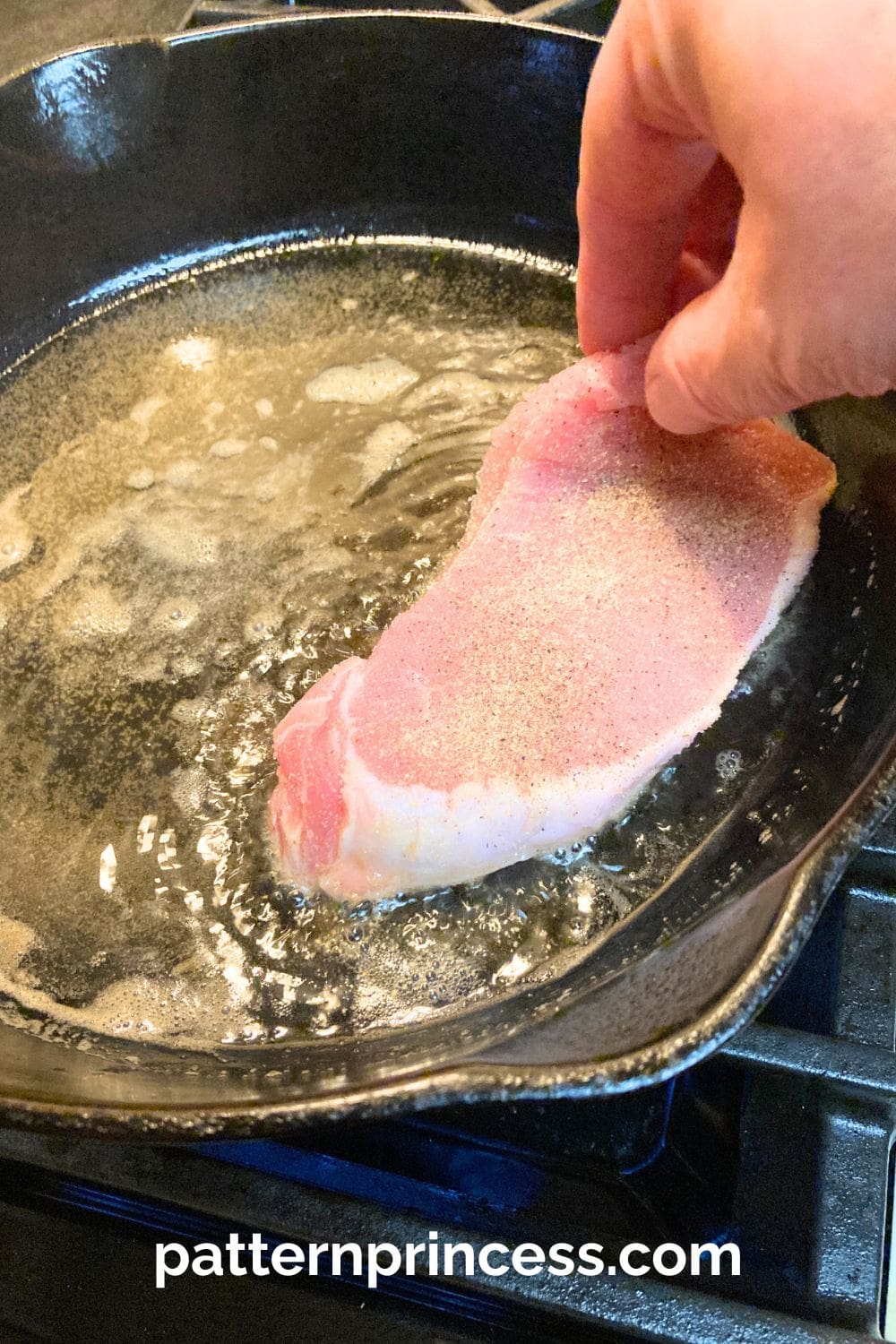
- Heat the Pan. Place a large skillet over medium-high heat and add 1 to 2 tablespoons of olive oil or butter. Let it heat until it shimmers or the butter stops foaming. If the oil isn’t hot enough, the chops will stick and steam instead of sear. You want that immediate sizzle when the meat hits the pan.2 Tablespoons Olive Oil
- Cook the Pork Chops. Lay the pork chops in the skillet in a single layer without crowding. They should have space between them, or the temperature will drop and you’ll lose your sear. Cook for 2 to 3 minutes without touching them. No pressing, no flipping, no peeking. Let the heat do its job. You’ll know they’re ready to flip when the edges start to turn opaque and the bottom releases easily from the pan.
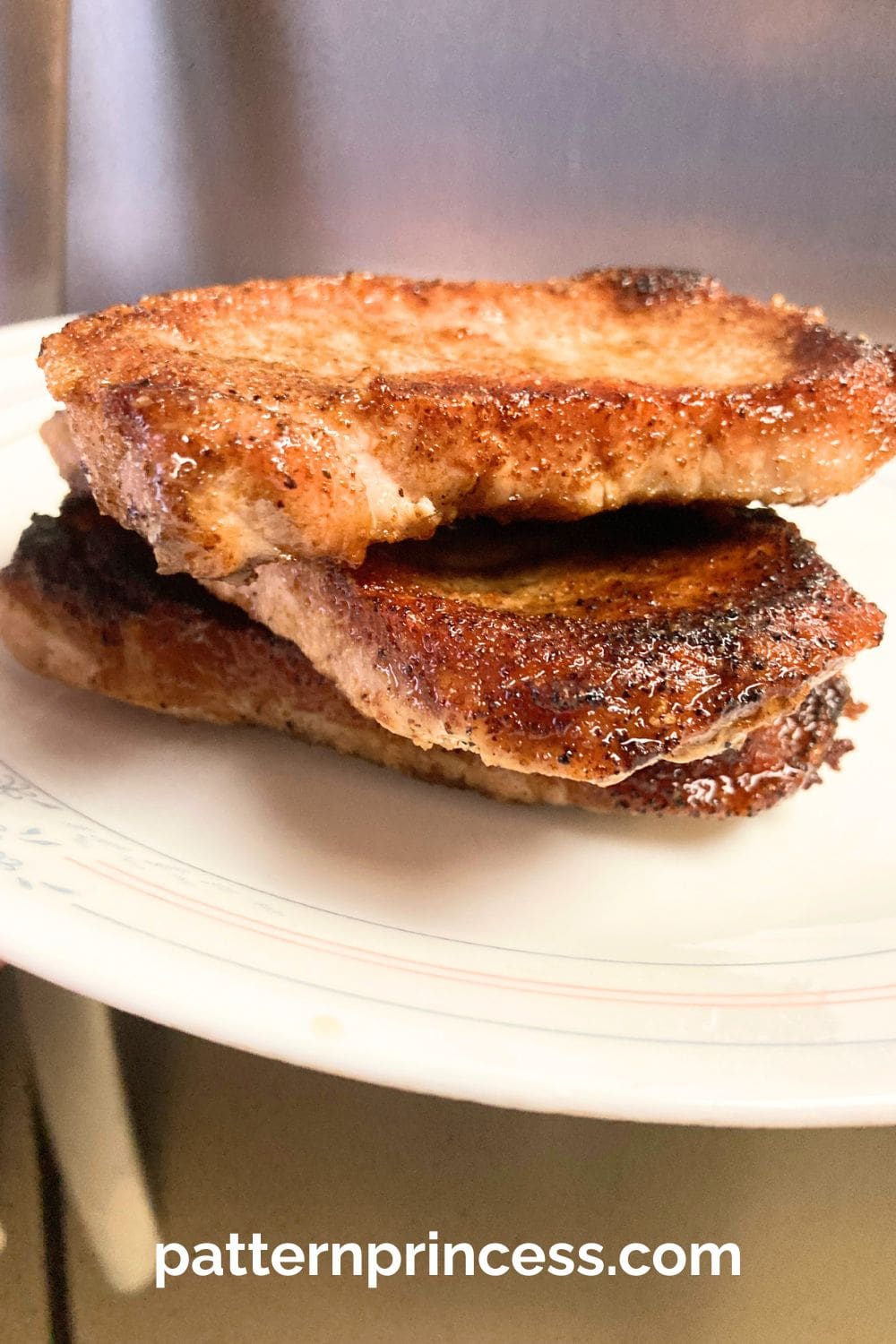
- Flip and Finish Cooking. Turn the pork chops with tongs and cook the second side for another 2 to 3 minutes. You’re looking for a deep golden-brown crust on both sides and an internal temperature that’s climbing toward 145 degrees. If your chops are especially thin (under half an inch), you might only need 90 seconds per side. Watch the color and trust your thermometer.
- Check the Temperature. Insert an instant-read thermometer into the thickest part of the chop. Pull them off the heat the moment they hit 145 degrees. They’ll look slightly pink in the center, and that’s exactly right. Carryover cooking will bring them up to 150 during the rest, and that’s where the magic happens.
- Rest Before Serving. Transfer the pork chops to a plate and let them rest for 3 to 5 minutes. Resting allows the muscle fibers to relax and reabsorb the juices that got pushed to the center during cooking. Cut into them too early and all that moisture ends up on your plate instead of in your mouth.
Your Own Private Notes
Notes
How to Know It’s Done
Temperature is the only thing you can trust when you’re cooking thin pork chops. Visual cues help, but they don’t tell the whole story, and guessing is how you end up with dry meat. The golden crust. Both sides should be deeply browned with crispy edges. If the chop is pale or grayish, it’s been steamed, not seared. If it’s charred black, your heat was too high or you left it on too long. The firmness test. Press the center of the chop with your finger. It should feel firm but still have a little give, like pressing the fleshy part of your palm below your thumb when your hand is relaxed. If it feels rock-hard, it’s overcooked. If it’s squishy, it’s not done. The color check. When you cut into a properly cooked thin pork chop, the center should be pale pink or just barely white. It should not be gray all the way through. Gray pork is dead pork. Pink pork at 145 degrees is safe, juicy, and delicious. The thermometer truth. Use an instant-read thermometer and pull the chops at exactly 145 degrees. Not 150. Not 160. Not when they “look done.” The USDA says 145 is safe, and it’s also the only temperature that keeps thin pork chops from turning into leather. If you nail the temperature and let them rest, everything else falls into place. If you skip the thermometer, you’re gambling every single time.Nutrition
A few of my favorite things
The Power of Positivity
Tips from the Pros
Professional cooks don’t wing it with thin pork chops. They follow a tight system that eliminates guesswork and guarantees results.
Dry the meat. Moisture is the enemy of a good sear. Pat the chops dry, then let them sit on a paper towel for a minute before seasoning. Some chefs even salt them 30 minutes ahead and let them air-dry in the fridge uncovered. The drier the surface, the better the crust.
Don’t move them. Once the chops hit the pan, leave them alone. Flipping too early or pressing them with a spatula breaks the crust and releases moisture. You get one flip. That’s it.
Use a heavy pan. Cast iron or stainless steel holds heat better than nonstick and gives you a better sear. Nonstick is fine if that’s all you have, but it won’t give you the same caramelization.
Cook in batches if you have to. Crowding the pan drops the temperature and creates steam. If you’re cooking for more than two people, work in batches and keep the finished chops warm in a low oven while you finish the rest.
Let carryover heat do the work. Thin chops continue cooking for several minutes after you pull them from the pan. If you wait until they hit 150 or 155 in the skillet, they’ll be at 160 by the time you eat them, and that’s game over.
Follow these rules and you’ll cook thin pork chops better than most restaurants.

Pairing Suggestions
Thin pork chops are mild and savory, which means they play well with almost everything. You just need to balance richness with brightness so the plate doesn’t feel heavy.
Wine: Go with a crisp white like Sauvignon Blanc or an unoaked Chardonnay. If you want red, choose something light and fruity like Pinot Noir or Beaujolais. Skip anything too tannic or oaky. It’ll overpower the pork.
Sides: Roasted Brussels sprouts, garlic mashed potatoes, sautéed green beans, or a simple arugula salad with lemon and Parmesan all work beautifully. You want something with texture contrast and acidity to cut through the richness of the meat.
Sauces: A quick pan sauce made with the drippings, a splash of white wine, and a pat of butter takes 90 seconds and makes the dish feel fancy. You can also go with apple chutney, whole-grain mustard, or a squeeze of lemon.
Thin pork chops are versatile enough to anchor a weeknight dinner or hold their own at a dinner party.
Variations & Swaps
This method is a baseline, and once you nail it, you can spin it in a dozen different directions without losing the core technique.
Add a spice rub. Swap the garlic and onion powder for smoked paprika, cumin, and chili powder for a Southwestern vibe. Or go Italian with dried oregano, fennel seed, and red pepper flakes.
Finish with fresh herbs. Toss chopped parsley, thyme, or rosemary over the chops right after they come out of the pan. The residual heat will release the oils and make the whole plate smell incredible.
Use bone-in chops. Bone-in thin pork chops take an extra minute or two per side, but the bone adds flavor and helps insulate the meat slightly. The method stays the same.
Try a different fat. Butter gives you a richer flavor and better browning, but it can burn if your heat is too high. Olive oil is more forgiving. Ghee or clarified butter splits the difference.
Go breaded. If you want a crispy coating, dredge the seasoned chops in flour, dip them in beaten egg, and coat them in panko breadcrumbs before pan-frying. You’ll need an extra minute per side, and you’ll want to monitor the crust closely so it doesn’t burn before the inside is done.
The beauty of this recipe is that it’s simple enough to riff on without breaking the system.
Storage Tips
Leftover thin pork chops are tricky because reheating almost always dries them out. Your best bet is to treat them gently and use low, indirect heat.
Storage: Let the chops cool to room temperature, then transfer them to an airtight container.
- They’ll keep in the fridge for up to 3 days.
- Don’t stack them directly on top of each other or they’ll stick together.
- Layer them with parchment paper if you need to.
Reheating: The microwave is your enemy here. It’ll turn juicy pork chops into rubber in about 30 seconds.
- Instead, reheat them in a covered skillet over low heat with a splash of chicken broth or water to create steam.
- Warm them gently for 2 to 3 minutes per side until just heated through.
- You can also reheat them in a 300-degree oven, covered with foil, for about 10 minutes.
Freezing: Cooked thin pork chops can be frozen, but they lose texture when thawed.
If you’re going to freeze them, wrap each chop individually in plastic wrap, then place them in a freezer bag.
They’ll keep for up to 2 months. Thaw in the fridge overnight before reheating.
Quick and Easy Juicy Pork Chops
Honestly, these are best eaten fresh. But if you have leftovers, treat them right and they’ll still be worth eating.
Thin pork chops don’t have to be a gamble. With the right heat, a good thermometer, and a little patience during the rest, you can turn out juicy, golden chops every single time.
The secret isn’t in fancy ingredients or complicated techniques. It’s in understanding that thin cuts cook fast and unforgiving, and the only way to win is to respect the speed. Pull them early, let them rest, and trust the process.
You’ll never go back to overcooked pork again.

You can find Victoria crocheting, quilting, and creating recipes. She has cooked in restaurants for over 20 years, including many larger parties. She learned to crochet when she was just 11 years old and has been crocheting ever since; over 50 years now. Over 40 years ago, she loved her first class in sewing and continues to hone her skills in quilting. Many have enjoyed the handmade gifts over the years. In her professional career, she has worked in management in a wide variety of businesses including higher education as a dean of a division. All the while attending college part-time to achieve her doctorate in higher education with an emphasis in e-learning.
Stay connected with Pattern Princess
Add Pattern Princess as a preferred source in Google Search to make it easier to find our crochet patterns, recipes, quilt patterns, and other creative projects when you're looking for something new to make.

Such an easy meal for the whole family. So welcomed after a long day at work.